
Muscle Recovery Equipment
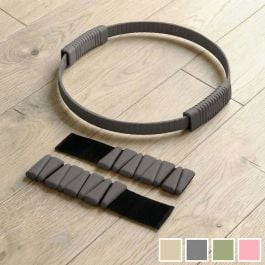
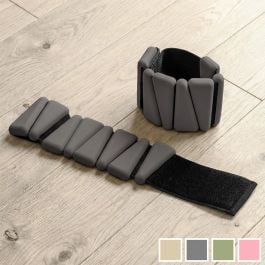
FORZA muscle recovery equipment helps footballers, athletes and everyday gym-goers train harder and more often. Sore muscles fade faster. Tight spots loosen up. Mobility holds up under fatigue instead of collapsing after a hard session. There's a mental side too, since a slower stretch or a few minutes with a roller genuinely helps you unwind. For self-massage, the FORZA Foam Roller and eco-friendly Cork Roller work into tight muscles and help release tension. The Cork Massage Ball and standard Massage Ball reach smaller, harder spots, easing out knots in the calves and glutes. Joint support comes from the Ankle Support Sleeve, available in four sizes, while Wrist and Ankle Weights add light resistance for rehab or activation work. Flexibility equipment rounds out the range. A Yoga Strap extends your reach on hip-flexor, hamstring and shoulder stretches. The Cork Yoga Wheel opens up the spine, which is a welcome stretch if you're stuck at a desk all day, and the Anti-Burst Yoga Ball covers mobility and core work beyond static stretching. For serious recovery, the Portable Ice Bath (370L) brings cold-water immersion into your own home. Recovery gear like this can improve sleep and circulation too, so the benefits reach well past the gym.










MUSCLE RECOVERY EQUIPMENT FAQs
How often should I use a foam roller?
Research on professional and youth football players, in general, suggests that a 15–20 minute foam rolling session covering quads, hamstrings, adductors, glutes and calves, performed immediately after training or matches, is best for football recovery. Studies have shown this routine improves 24-hour recovery of agility, sprint performance and perceived muscle soreness compared to passive rest. For general gym-goers, 3–5 sessions per week is a sensible number of sessions. It's important to spend 60–90 seconds per muscle group, as durations under 30 seconds don't produce the same benefits. On non-match days, rolling as part of a dynamic warm-up has also been shown to improve hip flexor mobility and 'sprint readiness' in footballers. Slow rolling is good post-exercise or football; faster rolling is best pre-exercise.
How cold should an ice bath be for muscle recovery?
Most research points to 10–15°C (50–59°F) for 2–5 minutes post-exercise. Beginners should start warmer and for shorter durations to reduce the risk of hypothermia. Around 15°C for 1–2 minutes. Build tolerance gradually and make sure you have warm clothes and a towel to hand.
Do resistance bands actually help with recovery?
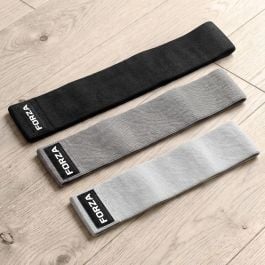
Yes, light resistance bands are commonly used for activation work, recovery and rehab. Light band exercises help blood to flow to specific muscles without the load of weights. They're particularly useful for shoulder, hip, and glute activation before training, which in turn can help recovery. They can be especially beneficial if these muscles and/or your lower back are tight/sore generally.
Can I use a massage ball instead of a foam roller?
A massage ball targets smaller, harder-to-reach spots, including the glute medius, feet, forearms, and around the shoulder blades, where a foam roller is too broad. Most people benefit from using both: the roller for large muscle groups, the ball for precise trigger points. You can use a ball instead, but it will take longer and likely be very painful in some areas.
Should I use a foam roller before stretching after football?
Yes, the usual approach is to foam roll first and then move into football stretches. Foam rolling helps release tight tissue while muscles are still warm from the match or training. Temperature makes a huge difference when stretching, having "warmed up" muscles can make the stretching more effective at restoring and improving range of motion. Research on footballers has shown that a 15-20 minute post-match foam rolling session improves 24-hour recovery. Follow the rolling with 5-10 minutes of light football-specific static stretches targeting quads, hamstrings, groin, glutes and calves. Hold each stretch for 30-60 seconds. Football stretches performed when muscles have cooled down can feel like a greater effort, and tend to be less effective, so try to get them done while you're still warm.