
Pilates Equipment & Accessories
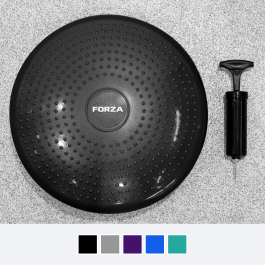
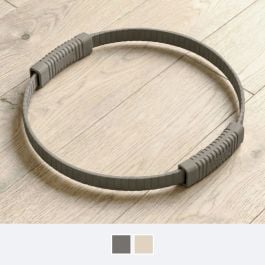
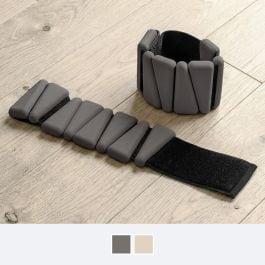
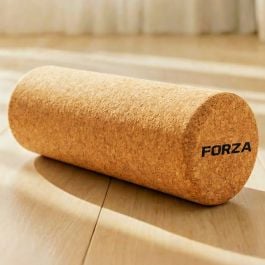
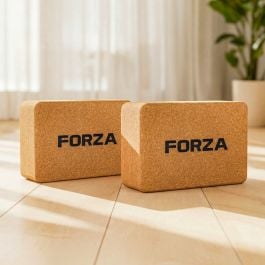
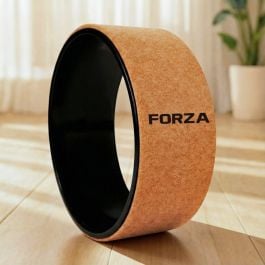
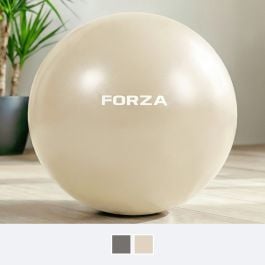
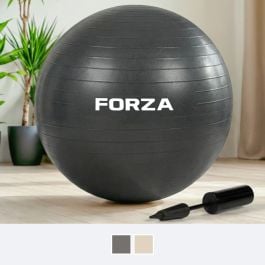
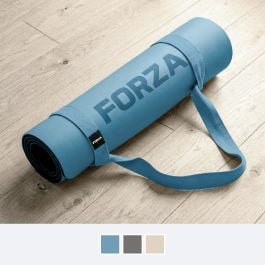
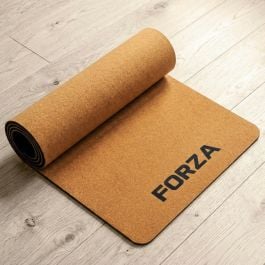
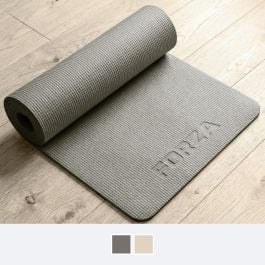
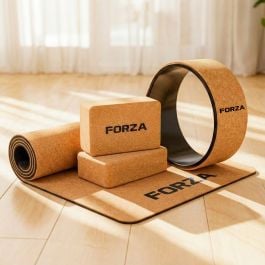
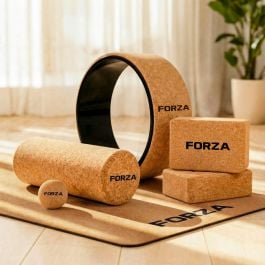
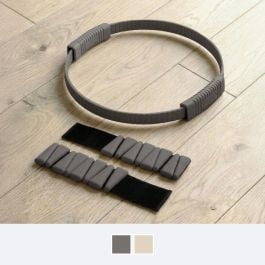
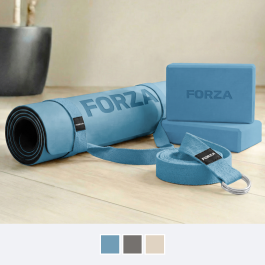
Pilates develops core strength, flexibility, balance and posture unlike any other exercise format. Using slow, precise movements and intentional breathwork. It is ideal for people of all ages, with a wide range of fitness and wellness goals. For example, boxers often do Pilates work to improve core strength and posture, which translates to more efficient and more powerful punches. The elderly often use Pilates to maintain independence and reduce the risk of falls. It is well suited to athletes, those rehabbing injuries and 'bad backs', and anyone building a sustainable movement practice for wellbeing and health. Our Pilates equipment includes non-slip mats in a wide array of designs, styles and materials. Choose from PVC, PU, cork, and extra-thick mats for floor work and classes. We also supply Tatami and Jigsaw Foam Tiles for studio floors. Pilates tools and accessories include Pilates Rings, Pilates Balls, ankle weights and a wide selection of resistance bands. Order your FORZA Pilates equipment today and experience the difference.


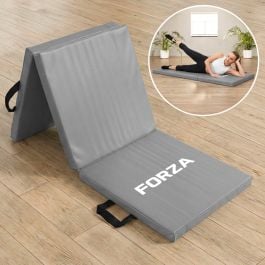
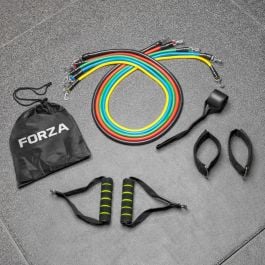

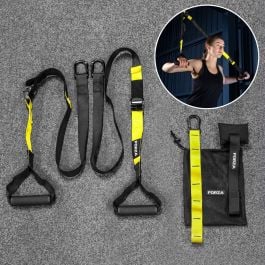
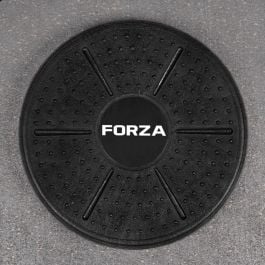

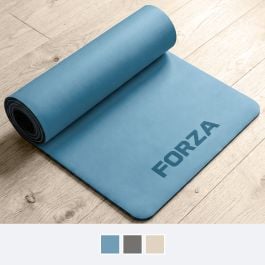
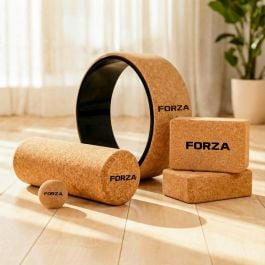
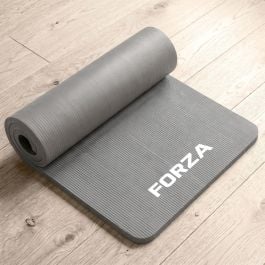
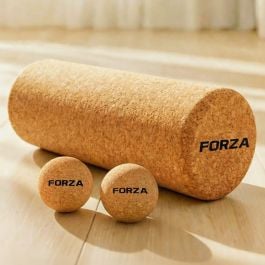
PILATES EQUIPMENT & ACCESSORIES FAQs
What Pilates equipment do I need to get started at home?
All you need to get started is a room with adequate space, an exercise mat and a Pilates App or access to YouTube. If you are going to attend a class, you can probably go along and borrow a mat, so you don't need any equipment to get started. Most people will want to buy a non-slip mat and a Pilates Ring once they start to practice on a regular basis. Pilates and Yoga balls are also popular to add in some spontaneous core stability work in between classes. Ankle and wrist weights are a great way to add progression and develop strength once you have the fundamentals mastered.
What's the difference between Pilates and Yoga?
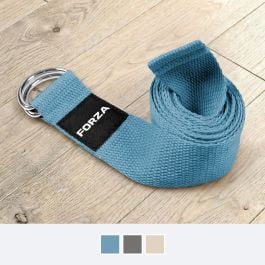
The two disciplines share equipment and overlap in the movements they use, but their goals are different. Yoga is an ancient practice from India. Pilates was developed by Joseph Pilates in the early 1900s. He originally named the practice "Contrology". Joseph Pilates studied gymnastics, yoga, bodybuilding, and martial arts to improve his own health. Yoga is a more spiritual practice when carried out in the traditional way, and is a complete stretching, breathing and wellbeing system for body and mind. Pilates specifically targets and improves stability and posture, although there is also a breathwork element. Pilates is touted as the best form of exercise for back pain, posture and mobility, whilst yoga is great for stress relief, flexibility and mental clarity. It is worth noting that yoga can vary quite dramatically, depending on the style. Kundalini Yoga is significantly different to Hatha Yoga, for example.
How thick should my Pilates mat be?
Pilates mats should be between 0.16in and 0.59in. A standard 0.16in (4mm) mat like the FORZA PVC or Cork Yoga Mat provides a firm, stable base and works well on carpet or padded studio floors. A slightly thicker 0.2in (5mm) PU Yoga Mat adds cushioning without losing stability. Thicker mats provide more cushioning, but they can be harder to balance on. Some practitioners keep both a standard mat and an extra-thick mat and switch based on the session.